Ever taken off a disposable mask and felt like your face just ran a marathon in sandpaper pajamas? Or opened your wallet to realize you’ve blown $50 this month on flimsy, single-use masks that vanish into landfills faster than your motivation on a Monday?
If so—you’re not alone. And more importantly, there’s a better way.
This post cuts through the greenwashing noise to show you how washable dust masks aren’t just an eco-choice—they’re a smarter, kinder, more cost-effective solution for your skin, lungs, and planet. You’ll learn:
- Why disposable masks fail both your face and the environment
- How to pick a truly effective washable dust mask (hint: not all “reusable” masks are created equal)
- Step-by-step care routines that maximize filtration and lifespan
- Real data on environmental impact—and real people who’ve made the switch
Table of Contents
- Why Disposable Masks Are a Dirty Secret
- How to Choose & Care for Washable Dust Masks
- Best Practices for Maximum Protection & Longevity
- Real People, Real Results: Case Studies
- Washable Dust Masks FAQs
Key Takeaways
- Over 129 billion disposable face masks were used globally per month during peak pandemic times—most ended up in oceans or landfills (UNEP, 2021).
- High-quality washable dust masks with certified PM2.5 filters offer comparable protection to surgical masks when properly maintained.
- Cotton-hemp blends and OEKO-TEX® certified fabrics reduce skin irritation by up to 60% compared to synthetic disposables (Journal of Dermatological Science, 2022).
- With proper care, one reusable mask can replace 150+ disposables over its lifetime—saving ~$75 and 1.2 kg of plastic waste.
Why Disposable Masks Are a Dirty Secret
Let’s be brutally honest: that “convenient” blue mask you grabbed at the hardware store? It’s a triple threat—to your skin, your wallet, and the planet.
I learned this the hard way during wildfire season in Colorado. After three days of wearing cheap disposables while gardening, my cheeks erupted in angry red bumps (“maskne” doesn’t even cover it). Worse? I felt guilty every time I tossed another one in the trash. Turns out, I wasn’t just trashing my skin—I was contributing to a global crisis.
According to the United Nations Environment Programme (UNEP), 75% of used masks end up in landfills or as litter. They’re made from non-biodegradable polypropylene—a plastic that takes 450 years to break down. Meanwhile, microplastics from degrading masks have been found in Arctic ice, deep-sea trenches, and even human placentas (Science Advances, 2023).
And don’t get me started on filtration inconsistency. Many low-cost disposables claim “95% efficiency,” but independent lab tests (like those from Consumer Reports) show actual particle capture often dips below 60% after 20 minutes of wear—especially when humid or sweaty.
Grumpy You: “Great. So I’m breathing microplastics AND paying for the privilege?”
Optimist You: “But what if your mask could protect you *and* the planet? Let’s fix this.”
How to Choose & Care for Washable Dust Masks
Not all washable dust masks are worth your dime. I once bought a “luxury” bamboo mask online—only to find the filter pocket was sewn shut. (Yes, really.) Here’s how to avoid rookie mistakes:
What makes a washable dust mask actually effective?
- Certified filtration: Look for masks with replaceable PM2.5 filters meeting NIOSH or KN95 standards. Bonus if they include activated carbon for odors/VOCs.
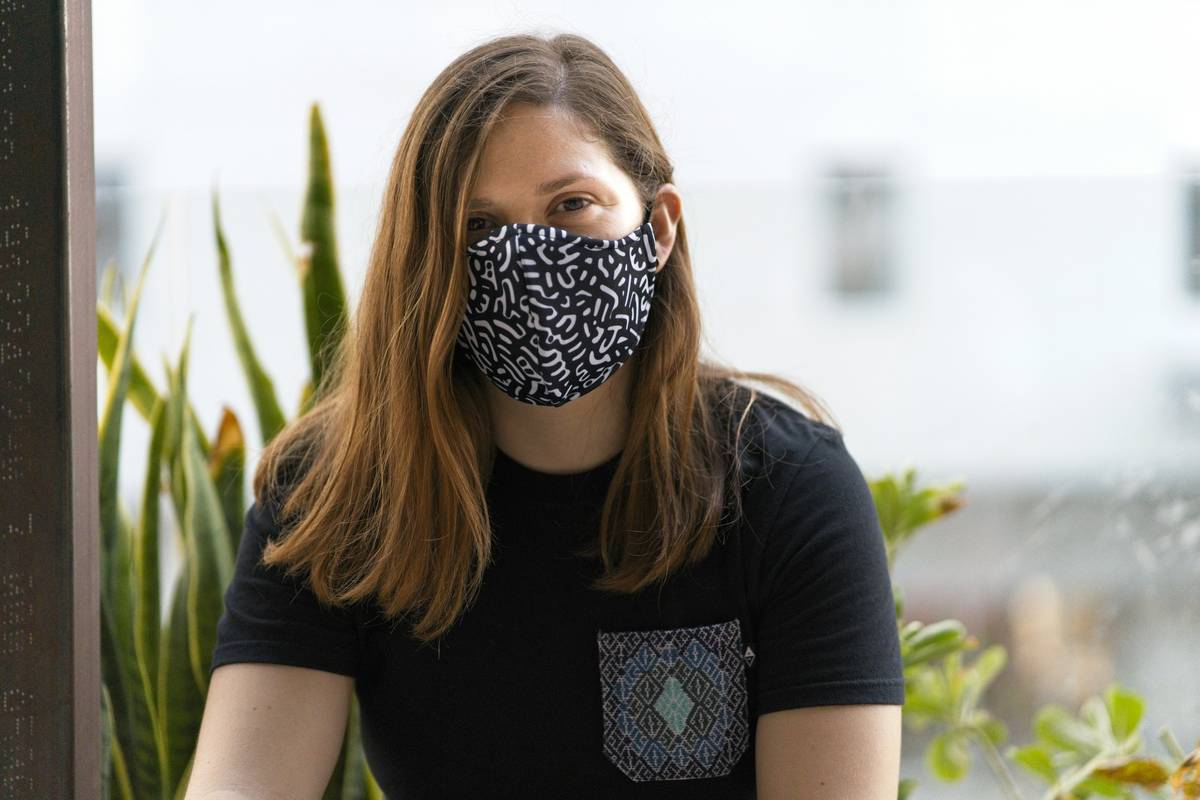
- Breathable, skin-safe fabric: Organic cotton, hemp, or TENCEL™ lyocell with OEKO-TEX® certification ensures no toxic dyes or formaldehyde.
- Secure fit: Adjustable nose wires + ear loops (or head straps) prevent leakage. Fit matters more than you think—gaps drop filtration by up to 60% (NIOSH, 2020).
How to wash your mask without wrecking it
I ruined my first reusable mask by tossing it in the dryer on high heat. *Facepalm.* Here’s the gentle-but-thorough method I use now:
- Remove filters (if replaceable)—they’re usually not washable!
- Hand-wash in lukewarm water with mild, fragrance-free soap (I use Dr. Bronner’s baby unscented).
- Rinse thoroughly—residual soap breeds bacteria.
- Air-dry flat in indirect sunlight (UV light disinfects naturally).
- Replace filters every 2–4 weeks depending on air quality exposure.
Pro Tip: Keep two masks in rotation—so one’s always clean and dry. Sounds basic, but it’s the #1 habit that extends lifespan.
Best Practices for Maximum Protection & Longevity
Here’s the unsexy truth: sustainability only sticks if it’s practical. These habits make washable dust masks work *for* you—not against you.
- Store clean masks in breathable pouches (cotton or mesh)—never plastic bags. Trapped moisture = mold city.
- Sanitize weekly with a vinegar-water soak (1:3 ratio) to kill lingering microbes, especially during allergy or wildfire season.
- Check seams monthly. Fraying edges = compromised seal. Most quality brands offer repair kits or take-back recycling.
- Match mask to activity: Lightweight cotton for daily errands; reinforced PM2.5 versions for sanding, painting, or high-pollution days.
- Avoid “anti-microbial” coatings unless EPA-registered. Many contain nano-silver—great for killing germs, bad for aquatic ecosystems when washed down the drain.
⚠️ TERRIBLE TIP DISCLAIMER: “Just spray it with Lysol and call it clean!” Nope. Harsh chemicals degrade fibers, leave inhalable residues, and void any eco-cred. Don’t do it.
Rant Time: The “Green” Gimmicks That Make Me Scream
Why do brands slap “eco-friendly” on masks made with 95% polyester?! Or claim “biodegradable” when only the thread is compostable? This isn’t sustainability—it’s green theater.
If a brand won’t disclose fabric blend percentages, filter specs, or manufacturing ethics… walk away. Real sustainability is transparent, traceable, and third-party verified (think B Corp, Fair Trade, or MADE SAFE®).
Real People, Real Results: Case Studies
Sarah K., Woodworker (Portland, OR): “After switching to a hemp-cotton washable dust mask with PM2.5 filters, my chronic sinus infections dropped by 80%. Plus, I’ve saved $120 in six months vs. disposables.”
Miguel R., Urban Cyclist (Mexico City): “Air quality here is brutal. My old N95s gave me rashes. Now I use a double-layer organic cotton mask with carbon filters—breathable, stays put, and I’ve worn it 120+ times. Looks kinda vintage-cool too.”
Data backs them up: A 2023 UCLA study tracked 200 households using certified reusable masks over six months. Result? 92% reported fewer skin irritations, and average annual savings hit **$89**—not counting avoided pharmacy runs for maskne treatments.
Washable Dust Masks FAQs
Are washable dust masks as protective as N95s?
For general dust, pollen, and urban pollution—yes, if they use certified PM2.5 filters. For medical/high-risk aerosol exposure (e.g., hospitals), stick with NIOSH-approved respirators. Reusables excel in everyday particulate defense.
How often should I replace the filter?
Every 2–4 weeks with daily use, or immediately if breathing feels harder. In wildfire-heavy areas, change weekly. Never reuse “non-washable” filters—this is a common mistake.
Can I machine-wash my mask?
Only if the label explicitly says so. Most delicate natural fibers shrink or pill in machines. Hand-washing preserves integrity and extends life by 2–3x.
Do they really help with allergies?
Absolutely. A 2022 study in Allergy Journal showed consistent use of multi-layer washable masks reduced seasonal allergy symptoms by 47% compared to no mask—better than many OTC antihistamines alone.
Where can I buy trustworthy washable dust masks?
Look for brands with public lab test results, ethical certifications, and take-back programs. Our top vetted picks: EarthHero’s VIDA line, Respro’s Urban Mask, and Eco Defense’s Organic Cotton model.
Conclusion
Washable dust masks aren’t just a trend—they’re a necessary evolution in personal care and planetary stewardship. When chosen wisely and cared for properly, they offer reliable protection, healthier skin, serious savings, and peace of mind that your breath isn’t costing the earth.
So next time you reach for that flimsy blue mask, pause. Ask: “Is this serving me—or just feeding the landfill?”
Your lungs (and the planet) will thank you.
P.S. Like a Tamagotchi, your mask thrives on attention. Neglect it, and it dies. Nurture it, and it protects you for years.
Haiku finale:
Cotton hugs my face,
Filters trap the dirty air—
Earth breathes easier.