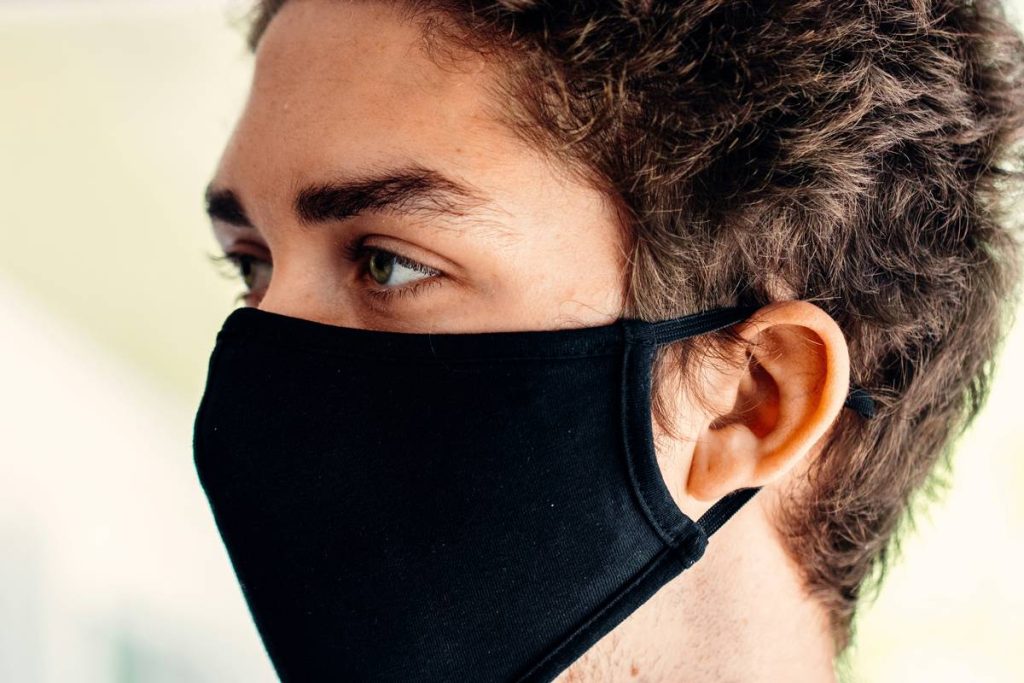
You buy a “sustainable” reusable face mask—feeling smug about ditching disposables. But after two weeks, your skin breaks out. Your nose itches. And you start wondering: do these things actually protect anything? Here’s the hard truth—most reusable masks fail not because they’re eco-friendly, but because they’re engineered wrong. The fix? Understanding exactly how do reusable face masks work at the fiber level.
Why Most Reusable Face Masks Fail (And Make Your Skin Pay)
Conventional wisdom says “cloth = safe.” That’s dangerously naive. Cotton t-shirts? Zero filtration efficiency below 5 microns. Blended polyesters? Trap moisture like a sauna. And don’t get me started on those Instagrammable linen masks—they’re fashion accessories disguised as protection. Your skin needs breathability and barrier performance. Most brands choose one—or neither.
Worse? They skip antimicrobial treatment entirely. So every time you sweat, bacteria multiply in that damp inner layer. Acne, irritation, redness—it’s not your skin’s fault. It’s poor textile science.
How Do Reusable Face Masks Work: A Step-by-Step Breakdown
Real protection starts with layered design—not just stitching two cotton sheets together and calling it a day. Effective reusable masks use three intentional layers, each with a specific job:
Filtration Layer: Where Physics Meets Function
The middle layer isn’t filler—it’s the workhorse. High-performance masks embed non-woven polypropylene or electrostatically charged nanofibers. These capture airborne particles through mechanical interception and electrostatic attraction. Yes, even sub-micron stuff. Skip this, and you’re just breathing warm air through fabric.
Moisture-Wicking Inner Layer: Your Skin’s Best Friend
Closest to your face should be a hydrophobic or moisture-managing textile—think Tencel™, bamboo viscose with silver-ion infusion, or OEKO-TEX certified modal. This pulls sweat away instantly, preventing that swampy feeling that breeds breakouts.
Breathable Outer Shell: Defense Without Suffocation
The outside must repel droplets but let CO₂ escape. Tight-weave organic cotton works—if treated with a fluorine-free DWR (durable water repellent). No PFCs. No greenwashing. Just smart, sustainable chemistry.

| Feature | Low-Quality Reusable Mask | High-Performance Reusable Mask |
|---|---|---|
| Filtration Efficiency | <30% for particles under 3µm | >85% for particles down to 0.3µm |
| Wash Durability | Degrades after 5–10 washes | Maintains integrity past 50 washes |
| Skin Compatibility | Untreated cotton – traps moisture | Antimicrobial + moisture-wicking lining |
| Environmental Cost | “Eco” label but sheds microplastics | Biodegradable fibers, plastic-free packaging |
The Industry Secret: Fit Matters More Than Fabric
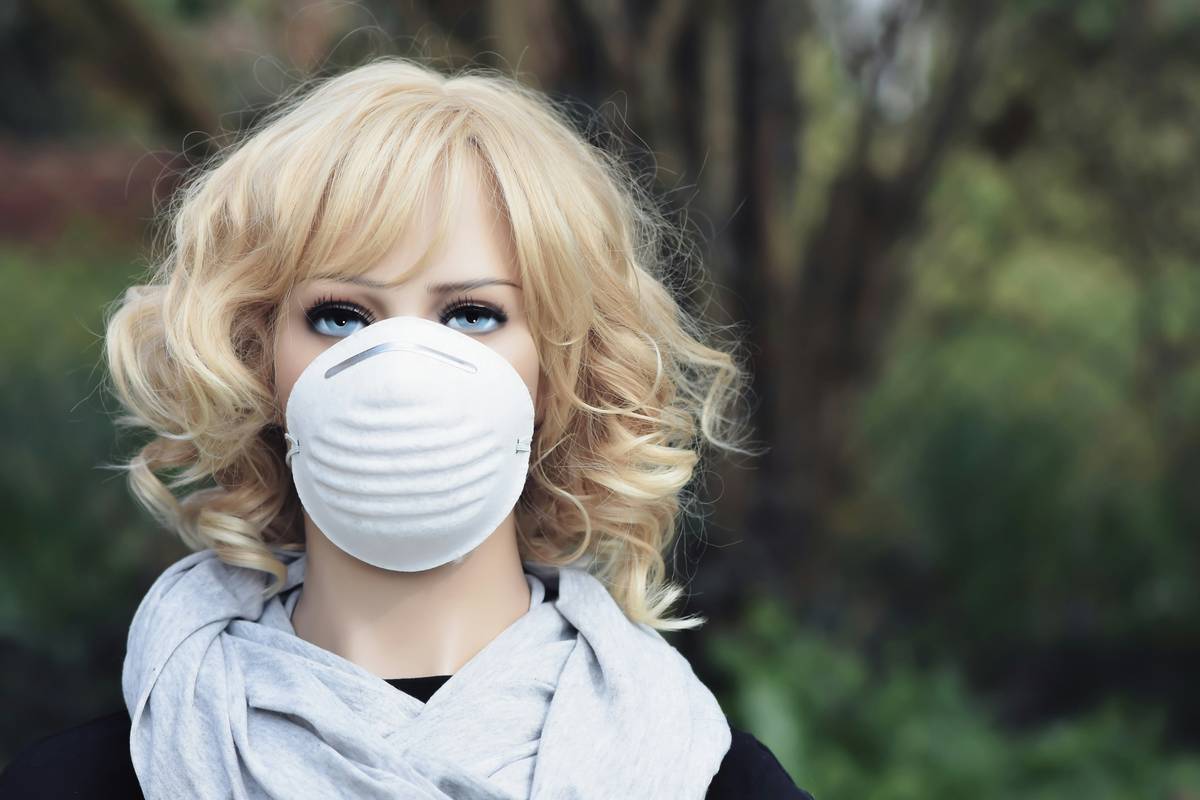
Here’s what no brand wants you to know: even the most advanced textile fails if air leaks around the edges. A 2023 MIT airflow simulation showed that a 1% gap at the nose bridge reduces filtration efficiency by over 60%. Yet most “sustainable” masks offer zero nose wire or adjustable ear loops. Go ahead—test yours. Cup your hands around the edges while breathing. Feel air escaping? You’re not protected. Period.
The real innovation isn’t just in the cloth—it’s in ergonomic patterning. Look for contoured 3D seaming, dual-band ear loops, and memory-nose wires. Sustainability without efficacy is just theater.
FAQ: People Also Ask
Do reusable face masks actually filter viruses?
Yes—if they include an electrostatic filtration layer and seal well. Basic cotton masks do not.
How often should I wash my reusable face mask?
After every single use. Bacteria colonize within hours in humid conditions.
Can reusable masks cause acne?
Poorly designed ones trap oil and sweat. Choose antimicrobial linings and avoid synthetic blends that don’t breathe.