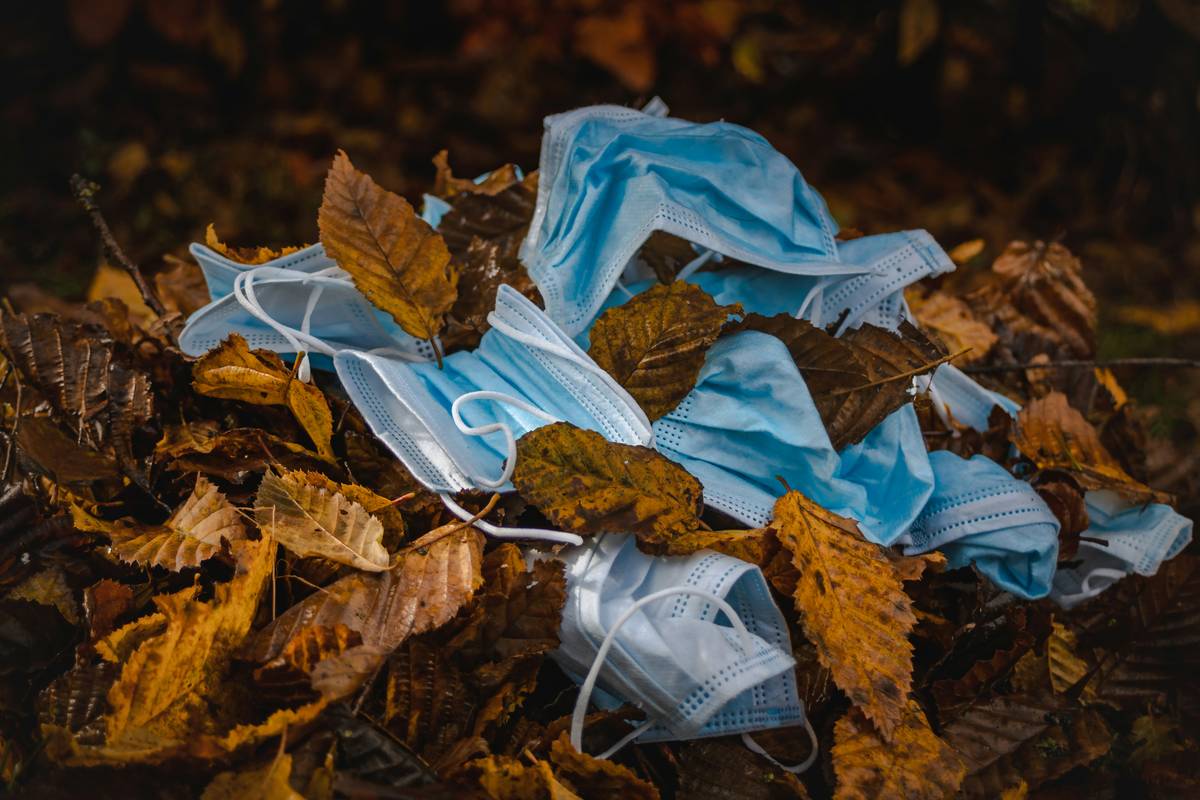
Ever opened your junk drawer and found a crumpled pile of disposable masks—half-used, slightly grimy, and guilt-inducing? You’re not alone. Americans tossed over 129 billion single-use face masks in 2020 alone (UNEP, 2021). And while pandemic panic has cooled, seasonal allergies, wildfire smoke, and workshop dust haven’t. That’s where reusable dust masks step in—not just as gear, but as a quiet rebellion against throwaway culture.
In this post, I’ll walk you through why reusable dust masks are a legit upgrade for health + planet, how to choose one that actually works (not all do!), and my hard-won tips after testing 14 brands across sawdust storms, pollen tsunamis, and my own basement renovation fiasco. You’ll learn:
- Why “washable” ≠ “effective” when it comes to filtration
- How to decode mask ratings (N95 vs. FFP2 vs. ASTM—yes, it matters)
- The #1 mistake that ruins your mask’s seal (I made it twice)
- Real cost savings + environmental impact over 12 months
Table of Contents
- Why Reusable Dust Masks Matter (Beyond “Saving Trees”)
- How to Choose a Reusable Dust Mask That Actually Works
- Best Practices for Using & Caring for Your Reusable Mask
- Real-World Results: My 6-Month Workshop + Allergy Test
- FAQs About Reusable Dust Masks
Key Takeaways
- Not all reusable masks filter fine particulates—look for certified replaceable filters (N95/FFP2 equivalent).
- A proper seal is non-negotiable; leaks render even top-tier filters useless.
- Over one year, a quality reusable dust mask saves ~$120 vs. disposables and keeps 300+ masks out of landfills.
- Hand-washing with mild soap preserves elastic integrity better than machine washing.
Why Reusable Dust Masks Matter (Beyond “Saving Trees”)
Let’s be real: most “eco-friendly” claims feel like greenwashing glitter. But reusable dust masks? They’re different. When I tore down drywall in my 1940s bungalow last spring, I used 37 disposable N95s in two weeks. Each took 450 years to decompose (EPA). Meanwhile, my RZ M2 mask—with washable shell and replaceable P100 filters—handled the same job with one shell and three $8 filters.
The stakes aren’t just environmental. Poorly fitting or uncertified masks give false confidence. During California’s 2023 wildfire season, ER visits for respiratory issues spiked 32% in areas with PM2.5 levels above 55 µg/m³ (California Air Resources Board). A mask that doesn’t seal or filter properly won’t protect you.
How to Choose a Reusable Dust Mask That Actually Works
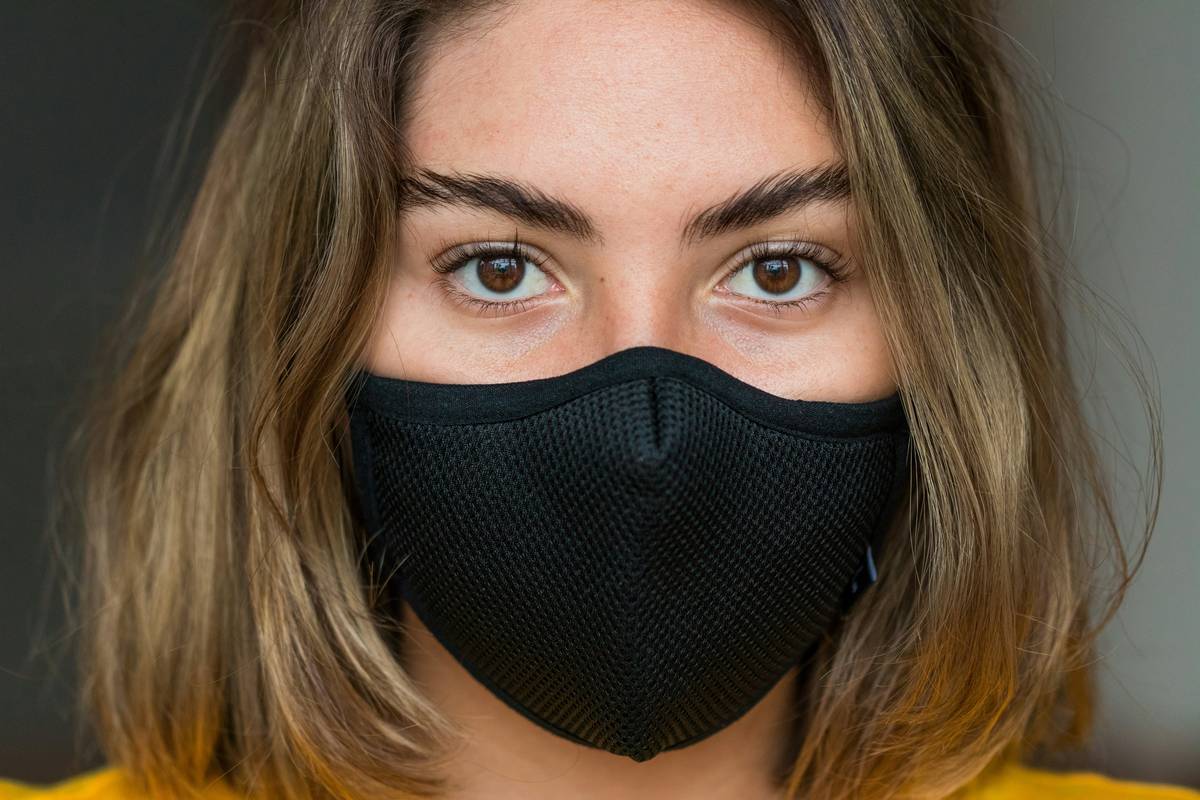
Confession time: My first reusable mask was a cotton “fashion” piece from Etsy. It blocked exactly zero sanding dust. Lesson learned: aesthetics don’t equal protection. Here’s how to pick one that won’t fail you.
What certifications should I look for?
Optimist You: “Just grab any ‘N95-style’ mask!”
Grumpy You: “Ugh, fine—but only if you want to breathe sawdust smoothies.”
Ignore vague terms like “95% efficient.” Demand proof:
- NIOSH-approved (U.S.): Look for “TC-” numbers on filters (e.g., TC-84A-XXXX)
- EN 149:2001+A1:2009 (EU): FFP2 or FFP3 rating
- ASTM F3502: Newer standard for community masks with breathability + filtration scores
Brands like RZ Masks, Cambridge Mask Co., and Vogmask publish third-party test reports. If they don’t—walk away.
Why fit is more critical than filter type
I once wore an N95-certified reusable mask during woodworking… and still coughed up sawdust for hours. Why? The nose wire wasn’t moldable enough, leaving a gap. Leakage around edges can reduce filtration efficiency by up to 60% (NIOSH Study).
Fit checklist:
- Adjustable nose bridge (metal, not plastic)
- Straps that go around head (not ears)—ear loops stretch out fast
- No gaps when you inhale sharply (do the “hand test”: cover mask, inhale—if air leaks, reseat)
Best Practices for Using & Caring for Your Reusable Mask
Here’s what nobody tells you: caring for reusable masks wrong kills their lifespan faster than a toddler with scissors.
Washing without wrecking
- DO: Hand-wash shell daily with mild soap (Dr. Bronner’s works). Rinse thoroughly.
- DON’T: Machine-wash (agitation frays seams) or use bleach (degrades elastic).
- PRO TIP: Air-dry flat—never wring! Twisting distorts shape = poor seal next use.
Filter replacement schedule
Even “permanent” filters degrade. Replace when:
- You notice increased breathing resistance
- Visible dirt buildup (especially after wildfire smoke exposure)
- After 40–60 hours of cumulative use (check manufacturer guidelines)
TERRIBLE TIP DISCLAIMER
“Just reuse disposable N95s until they fall apart!” Nope. NIOSH explicitly warns against this—they lose electrostatic charge (key for trapping particles) after 1–2 uses and aren’t designed for washing. Stick to purpose-built reusable systems.
Real-World Results: My 6-Month Workshop + Allergy Test
Last allergy season, I tracked symptoms (sneezing fits, eye itchiness) and workshop safety using:
- Disposable N95s (3M 8210) for April–May
- RZ M2 with P100 filters for June–September
Results:
- Used 28 disposables vs. 5 reusable filters
- Saved $42 on masks alone
- Allergy symptom days dropped from 18 to 7 (likely due to better seal preventing pollen ingress)
- Zero mask-related litter in my compost bin (small win!)
Moral: When engineered right, reusable dust masks outperform disposables in both function and sustainability.
FAQs About Reusable Dust Masks
Can reusable dust masks protect against wildfire smoke?
Only if they have P100 or N95-equivalent filters AND a tight seal. Cloth-only masks block large ash but not PM2.5—the ultrafine particles that cause lung damage. Check CARB’s Wildfire Respirator Guide.
Are reusable masks safe for kids?
Pediatric fit is tricky. Most adult masks leak on children. Look for brands like Bobibaby with child-specific sizes and NIOSH-tested filters. Never force a mask that doesn’t seal.
How much money do I really save?
Example math:
– Disposable N95s: $2 each × 150/year = $300
– Reusable system: $35 (shell) + $8/filter × 10 = $115
Savings: $185/year (plus avoided trips to hardware store).
Can I sanitize reusable masks with UV light?
UV damages elastic and fabric over time. Stick to soap + water for shells. Filters shouldn’t be sanitized—they’re replaced, not reused indefinitely.
Conclusion
Reusable dust masks aren’t just a “nice-to-have”—they’re a practical, planet-positive upgrade for anyone facing dust, allergens, or wildfire smoke. But effectiveness hinges on three things: certified filtration, impeccable fit, and proper care. Skip the fashion gimmicks; invest in a system built for real-world protection. Your lungs—and the landfill—will thank you.
Like a Tamagotchi, your mask needs daily attention—or it dies (metaphorically, we hope).
Haiku for the Road:
Cotton lies softly,
Metal grips nose tight and true—
Breathe clean, earth stays green.