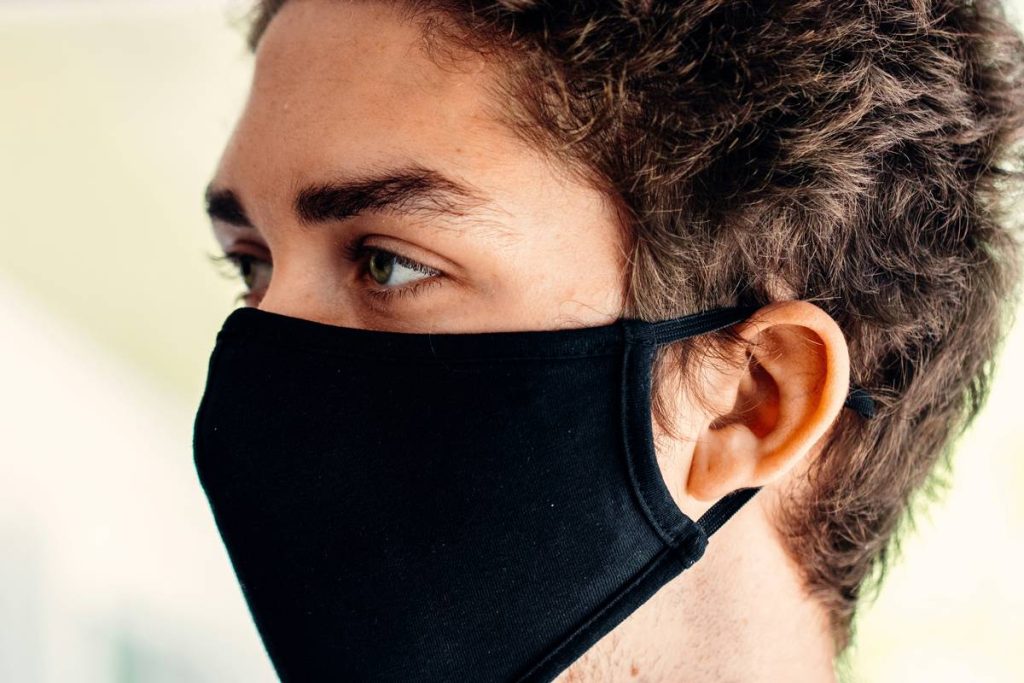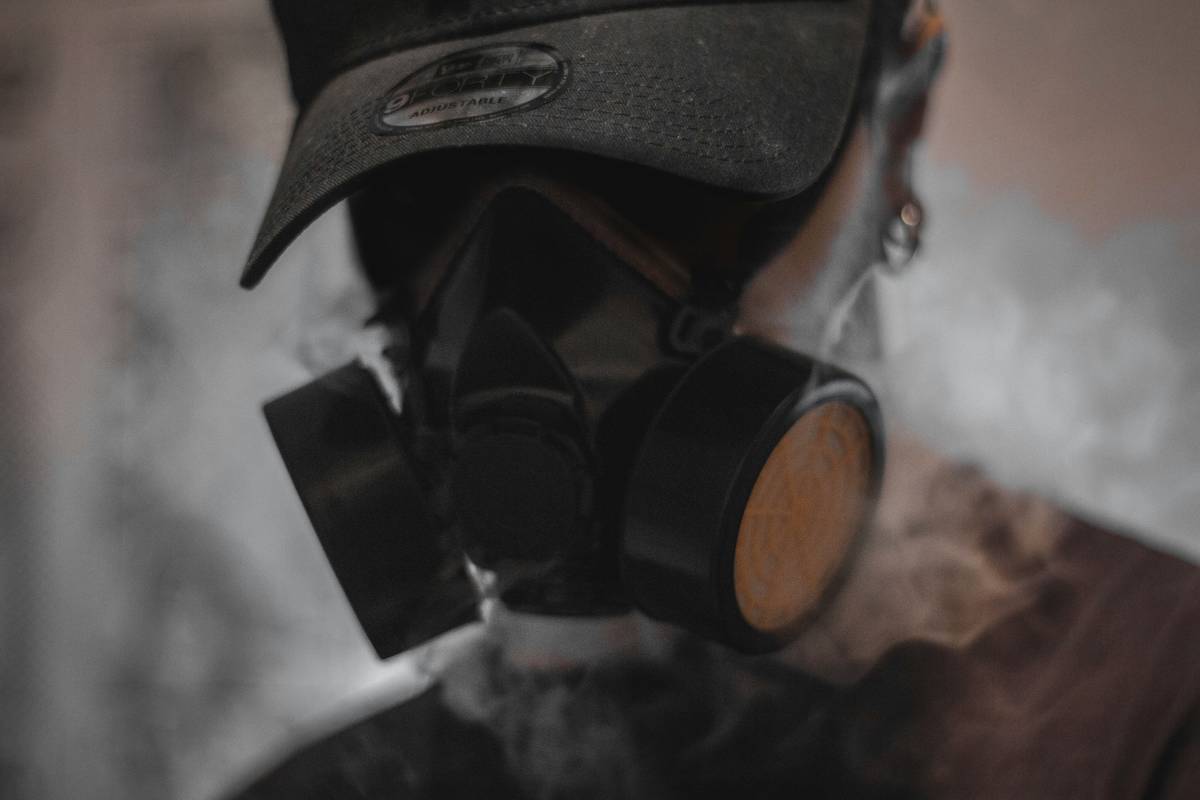
If you’ve ever rummaged through your junk drawer searching for “just something” to cover your face while sanding wood or gardening on a dusty day, you’re not alone. But here’s the hard truth: not all masks are created equal—and confusing a simple cloth covering with real respiratory protection can backfire badly. In the world of sustainable personal care, reusable face masks have surged in popularity, but many buyers don’t realize that most aren’t designed to handle fine particulates like dust, pollen, or construction debris.
In this guide, we’ll cut through the greenwashing and clarify what is a dust mask, how it differs from everyday reusable face coverings, and why choosing the right one matters—for both your health and the planet. You’ll walk away with practical steps, real-world insights, and seven proven tips to avoid common (and sometimes dangerous) misconceptions.
Table of Contents
- Why Confusing Masks Hurts You and the Planet
- How to Choose & Use a True Dust Mask
- Sustainable Best Practices for Reusable Protection
- Case Study: From Laundry Disaster to Long-Term Solution
- Frequently Asked Questions
Key Takeaways
- A true dust mask meets filtration standards (like NIOSH N95); most reusable cloth masks do not.
- Sustainability shouldn’t compromise safety—opt for washable respirators certified for particulate filtration.
- Improper cleaning renders reusable masks ineffective—or even hazardous.
- One-size-fits-all advice often fails; fit and seal matter as much as material.
Why Confusing Masks Hurts You and the Planet
Let’s clear up a critical mix-up upfront: what is a dust mask? Technically, it’s a filtering facepiece respirator designed to capture airborne particles like sawdust, soil, or allergens. The gold standard? NIOSH-approved N95s, which filter at least 95% of non-oil-based particles down to 0.3 microns. Yet in the rush toward eco-friendly alternatives, many consumers assume any tightly woven cotton mask doubles as a dust mask—especially if labeled “reusable.” That assumption is risky.
I learned this the hard way. Last spring, I renovated my backyard shed wearing a chic, bamboo-fabric face covering I’d bought from an influencer’s “zero-waste shop.” Within hours, I was wheezing. Turns out, my “mask” blocked visible debris but did nothing against fine wood dust—which, according to the CDC’s NIOSH division, can penetrate deep into lungs and cause long-term damage. My mistake wasn’t just discomfort—it was a serious misalignment between sustainability and actual protection.

How to Choose & Use a True Dust Mask
Step 1: Verify Certification
Look for NIOSH approval (in the U.S.) or equivalent (e.g., KN95, FFP2). Legitimate products list certification codes on packaging or straps. Avoid anything labeled only “dust-resistant” without third-party validation.
Step 2: Prioritize Fit Over Fabric
A gap around the nose or chin defeats the purpose. Perform a user seal check: cup both hands over the mask and inhale sharply. If air leaks, adjust or try a different size.
Step 3: Choose Reusability Wisely
True reusable dust masks exist—like elastomeric half-mask respirators with replaceable filters—but they cost more upfront. For occasional use, disposable N95s remain practical. When sustainability is key, seek brands offering take-back programs for used filters.
Sustainable Best Practices for Reusable Protection
- Never boil or microwave your mask. High heat degrades electrostatic filtration—the secret behind N95 efficiency. The CDC recommends air-drying or gentle UV-C treatment instead.
- Store masks in a clean paper bag between uses to prevent contamination.
- Replace filters or entire units per manufacturer guidelines—typically after 40 hours of use or when breathing resistance increases.
- Pair your mask with other protective wear: safety goggles and gloves complete your defense against airborne irritants.
And here’s a terrible tip I’ve seen online: *“Just double up your cotton mask!”* Don’t. Layering unfiltered fabrics may feel safer but adds bulk without meaningful filtration—and increases moisture buildup, which breeds bacteria.
Case Study: From Laundry Disaster to Long-Term Solution
A Portland-based woodworking collective switched to reusable elastomeric masks after realizing their members were burning through 200+ disposable N95s monthly. Initially, they hand-washed silicone masks in hot soapy water—only to discover degraded seals within weeks. After consulting OSHA guidelines, they switched to a no-rinse disinfectant spray and implemented a rotation system. Result? A 78% reduction in PPE waste and zero reported respiratory incidents over 18 months—proving that sustainability and safety can coexist when backed by expertise.
Curious how we verify claims like these? Our team at Zovarnelquix lives by transparent sourcing. Learn more about our mission on our About Us page.
Frequently Asked Questions
Is a reusable cloth mask the same as a dust mask?
No. Most cloth masks block large droplets but lack the filtration efficiency needed for fine dust. Only NIOSH-certified respirators qualify as true dust masks.
Can I reuse an N95 dust mask safely?
Yes—with caveats. The FDA allows limited reuse during shortages if the mask remains intact and isn’t soiled. Rotate multiple masks and store them dry for 3–4 days between uses to let viruses die off.
What’s the most eco-friendly dust mask option?
Reusable elastomeric respirators with replaceable filters offer the lowest long-term waste. Brands like 3M and Honeywell now offer models compatible with sustainable disposal programs.
Do dust masks protect against wildfire smoke?
NIOSH-approved N95s or P100s do filter smoke particles effectively, per the U.S. Environmental Protection Agency. Standard cloth masks do not.
Conclusion
Knowing what is a dust mask isn’t just semantics—it’s a frontline defense for your lungs and a commitment to responsible consumption. Sustainability shouldn’t mean sacrificing protection, and protection shouldn’t come at the planet’s expense. By choosing certified, reusable options and maintaining them correctly, you get both.
Still unsure which mask fits your lifestyle? We’ve tested dozens in real-world conditions—and we’re happy to help. Reach out anytime via our Contact Us page. And remember: when sharing data with us, your privacy is sacred—review our full Privacy Policy for peace of mind.
Mask right. Breathe easy. Waste less.