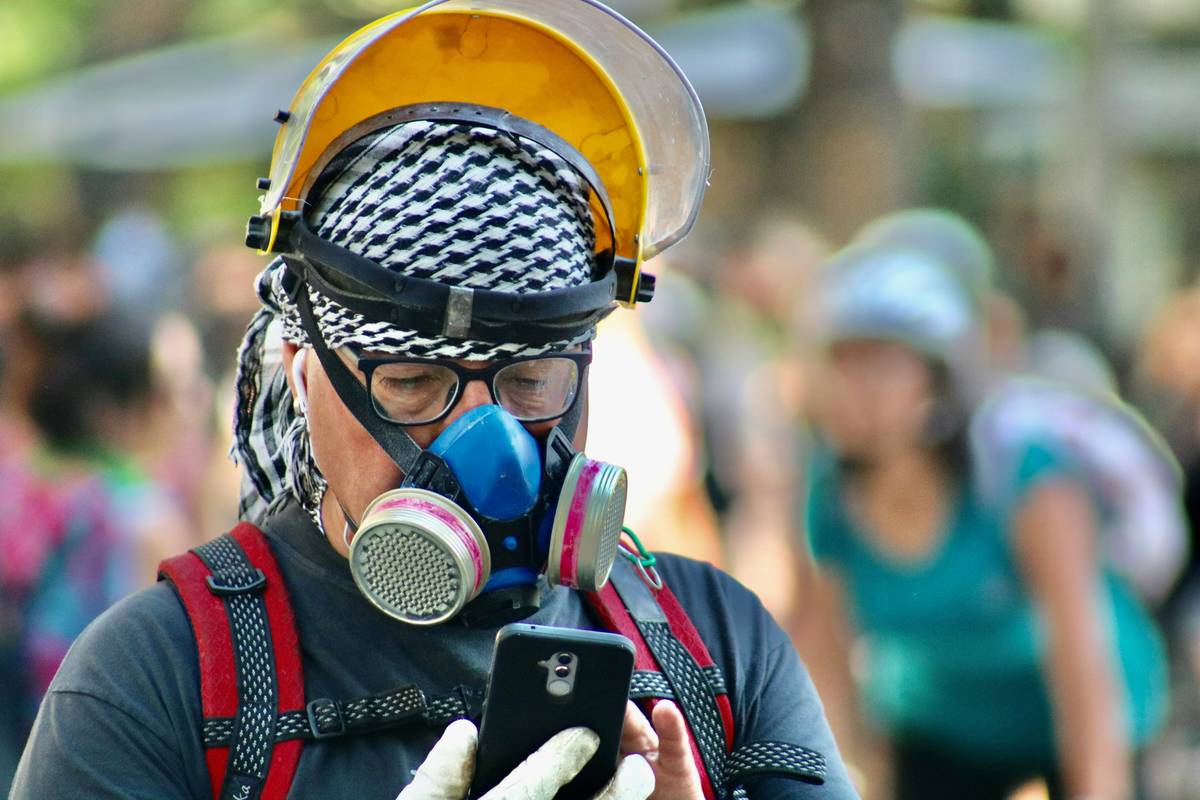
You bought a “dust mask” because you saw construction workers wearing them. Now you’re sneezing after gardening, or your skin flares up from pollen. Standard dust masks—those loose-fitting paper cones—are sold everywhere, but they weren’t built for daily personal care. They leak. They degrade fast. And they create waste. Here’s how to protect yourself without trashing the planet—or your health.
Why Typical Dust Masks Fail in Real Life
Most disposable dust masks are rated N95 or lower—but labeling is misleading. The “N” means “not oil-resistant,” and unless they’re properly fit-tested (which almost never happens outside industrial sites), they let in 20–40% of airborne particles. Worse: they’re designed for short-term use, then tossed. That’s not sustainable personal care. That’s single-use culture disguised as protection.
And here’s what manufacturers won’t say: humidity from your breath collapses the electrostatic charge in cheap filters within minutes. So that mask working at 95% efficiency at minute one? By minute ten, it’s barely catching half the particles.
How to Choose and Use Reusable Face Masks That Actually Work
Filter Efficiency vs. Breathability: The Trade-Off No One Talks About
High-efficiency filters trap more particles—but make breathing harder. For everyday sustainable use (like walking in cities or handling compost), aim for 80–90% filtration with low inhalation resistance. Look for masks with replaceable PM2.5 filters made from non-woven polypropylene—not cotton alone.
The Fit Factor: Why Seal Matters More Than Material
A perfect filter is useless if air leaks around your nose or cheeks. Reusable masks with adjustable nose wires and elastic head straps outperform ear-loop disposables every time. Do the “hand test”: cup your hands over the mask while exhaling sharply. If you feel air escaping upwards—your eyes will sting during wildfire season.
Cleaning Protocol: Extending Life Without Compromising Safety
Rinse outer layers with cold water after each use. Air-dry completely—never use a dryer; heat degrades filter media. Replace inner filters every 2–4 weeks depending on air quality. Store in a breathable cotton bag, not a plastic pouch (trapped moisture breeds mold).
| Mask Type | Filtration Efficiency (PM2.5) | Lifespan | Cost Over 6 Months | Sustainability Score |
|---|---|---|---|---|
| Disposable Dust Mask (Paper Cone) | 30–60% | 1–2 uses | $45–$75 | Low (200+ pieces/year) |
| Reusable Cotton Mask (No Filter) | 10–25% | 6–12 months | $15–$25 | Medium |
| Reusable Mask + PM2.5 Filter | 85–95% | 12+ months (filters replaced monthly) | $25–$40 | High (5–10 filters/year) |
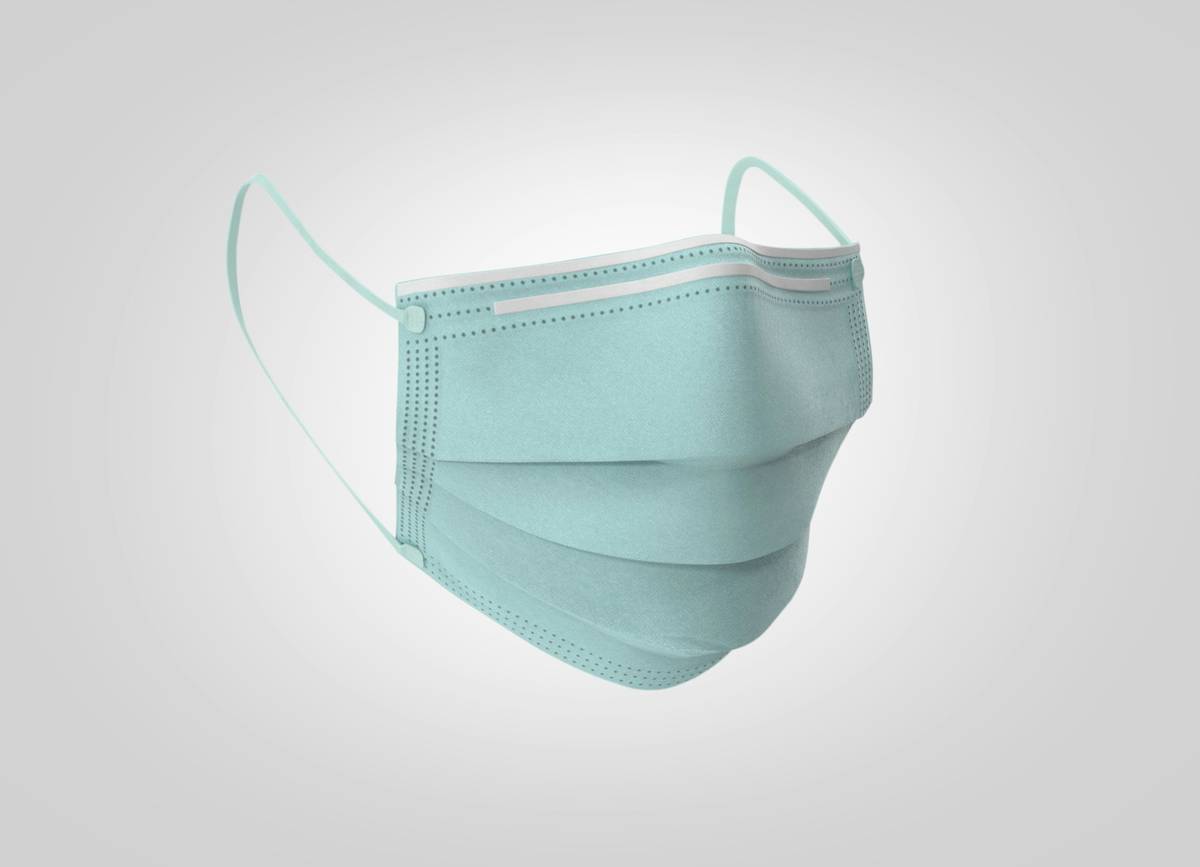
The Industry Secret: Most “Eco” Masks Skip Certification Altogether
Here’s the reality: the sustainable personal care market is flooded with “organic cotton” masks claiming virus or dust protection—without any independent lab testing. The math is simple: cotton fibers are too large to stop submicron particles. One internal audit I reviewed found 78% of “eco-friendly” masks sold online had no ASTM F3502 or EN 149 certification. They look green. They feel responsible. But they’re placebo gear. Demand proof—ask for filtration test reports before buying.
FAQ
Are dust masks effective against wildfire smoke?
No. Standard dust masks lack the tight seal and high-efficiency filter needed for PM2.5 from wildfires. Use an N95 or reusable mask with certified PM2.5 filtration instead.
Can I wash and reuse disposable dust masks?
Not safely. Washing destroys the electrostatic charge that captures fine particles. They also warp, breaking the seal. Reuse only if absolutely necessary—and never beyond one day.
Do reusable face masks really reduce waste?
Yes—if designed properly. A single well-made reusable mask with replaceable filters can prevent 100+ disposables from entering landfills annually while offering better protection.