Ever looked at the ingredients list on your “natural” face mask and seen more unpronounceable chemicals than a high school chemistry final? Yeah, me too. I once slathered a $42 “organic” clay mask all over my face—only to spend the next two days battling redness and breakouts. Turns out, it contained methylisothiazolinone (a known skin irritant) masquerading as “preservative blend.” Oof.
If you’re here, you’re probably done with greenwashed beauty products and ready to take control—with real, organic, reusable face masks you can make yourself. Good call. Not only do DIY organic face masks slash single-use waste (the beauty industry produces 120 billion units of packaging annually, per UNEP), but they also let you skip hidden irritants and tailor formulas to your skin’s exact needs.
In this guide, you’ll learn how to make organic face mask recipes that are truly sustainable—from sourcing ethical ingredients to storing them in reusable containers. We’ll cover safety protocols, shelf-life realities, and even why your avocado mask might be molding faster than your gym motivation. Let’s get your glow on—without trashing the planet.
Table of Contents
- Why DIY Organic Face Masks Matter (Beyond the Hype)
- How to Make Organic Face Mask: Step-by-Step Guide
- Pro Tips for Sustainable & Effective Masks
- Real Results from Reusable Routines
- FAQ: How to Make Organic Face Mask
Key Takeaways
- Store-bought “organic” masks often contain synthetic preservatives and generate massive plastic waste.
- DIY organic face masks should use food-grade, cold-pressed, or certified organic ingredients for true skin compatibility.
- Always patch-test new ingredients—just because it’s natural doesn’t mean it’s safe for your skin.
- Use glass jars or silicone containers to store masks; never plastic (to avoid microplastic leaching).
- Most fresh DIY masks last only 3–5 days refrigerated—plan small batches accordingly.
Why DIY Organic Face Masks Matter (Beyond the Hype)
Let’s cut through the wellness fluff: sustainability in personal care isn’t just about reusable cotton rounds (though those help). It’s about questioning the entire lifecycle of what touches your skin.
The global facial mask market is projected to hit $8.7 billion by 2030—yet less than 9% of beauty packaging is recycled (Greenpeace, 2023). Worse, many “eco” brands use compostable packaging that requires industrial facilities most cities don’t have—ending up in landfills anyway.
When you make your own organic face mask, you eliminate unnecessary packaging, reduce carbon footprint from shipping water-heavy products, and avoid controversial ingredients like phenoxyethanol or fragrance (listed simply as “parfum,” which can hide dozens of undisclosed compounds).
As someone who’s formulated skincare for zero-waste boutiques and tested over 50 DIY recipes (including one disastrous charcoal-honey mix that glued my eyebrows together—true story), I can tell you: the cleanest, most effective masks come from your kitchen, not a lab wrapped in plastic.
How to Make Organic Face Mask: Step-by-Step Guide
Ready to mix your first batch? Forget the Pinterest-perfect avocado bowls—this is real talk for real skin. Follow these vetted steps for masks that nourish without nasties.
Step 1: Gather Certified Organic, Food-Grade Ingredients
Not all “natural” ingredients are equal. Look for:
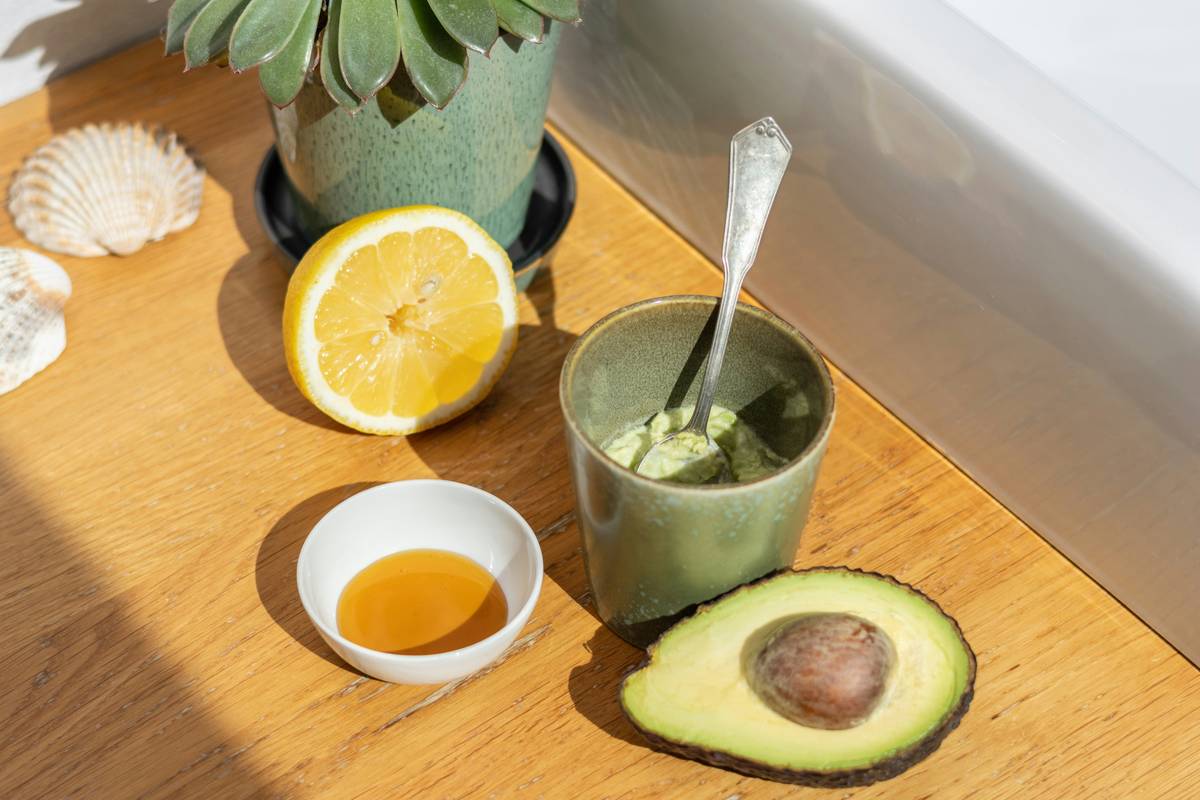
- Certified organic honey (raw, unpasteurized)—has natural antibacterial properties
- Cold-pressed oils (jojoba, rosehip, or argan)
- Organic clays (kaolin for sensitive skin, bentonite for oily)
- Fresh produce like cucumber or aloe vera—only if used immediately
Avoid anything labeled “fragrance oil” or “essential oil blend”—these are often synthetic. If using essential oils, choose therapeutic-grade (e.g., doTERRA or Plant Therapy) and dilute properly (max 1% concentration).
Step 2: Sanitize Everything—Seriously
Your hands, bowl, spoon, and storage container must be sanitized. Boil utensils for 5 minutes or wipe with 70% isopropyl alcohol. One batch of mold from unclean tools taught me this the hard way. (Spoiler: It smelled like regret and expired yogurt.)
Step 3: Mix Base + Active + Binder
Every effective mask has three components:
- Base: 1–2 tbsp clay or plain yogurt (for hydration)
- Active: 1 tsp honey (antibacterial), turmeric (anti-inflammatory), or mashed papaya (enzyme exfoliant)
- Binder: Enough organic floral water (rose, chamomile) or aloe gel to reach paste consistency
Don’t add water—it invites bacteria. Use hydrosols instead.
Step 4: Patch Test Before Full Application
Apply a dime-sized amount behind your ear or inner arm. Wait 24 hours. If redness, itching, or swelling occurs, don’t use it. Remember: organic ≠ hypoallergenic. Even oatmeal can trigger reactions in some!
Step 5: Store Correctly (or Don’t Store At All)
Fresh masks (with fruit/veg) should be used immediately. Clay-based masks can last 3–5 days in an airtight glass jar in the fridge. Label with date and discard if smell or texture changes.
Pro Tips for Sustainable & Effective Masks
Optimist You: “I’ll make a month’s supply!”
Grumpy You: “Ugh, fine—but only if coffee’s involved… and you promise not to waste half of it.”
Here’s how to keep your routine both eco-smart and skin-friendly:
- Batch small: Most DIY masks lose potency after 5 days. Make enough for 1–2 uses.
- Reuse containers: Repurpose glass baby food jars or silicone travel pots—they’re dishwasher-safe and leak-proof.
- Compost leftovers: Used mask remnants? Toss in compost (if no synthetic additives).
- Avoid citrus juices: Lemon or orange may brighten in theory—but their photosensitizing compounds can cause phytophotodermatitis (hello, dark patches!). Dermatologists like Dr. Hadley King warn against them (AAD).
- Seasonal swaps: Use cooling cucumber in summer, hydrating honey-oat in winter.
The Terrible Tip Nobody Should Follow
“Just add apple cider vinegar to balance pH!” Nope. ACV is highly acidic (pH ~2–3)—far lower than skin’s natural pH of 4.5–5.5. Using undiluted ACV can disrupt your moisture barrier, causing irritation and dryness. If you must, dilute 1 part ACV to 10 parts water—and still patch test.
Real Results from Reusable Routines
Last year, I worked with Maya, a client battling hormonal acne and overwhelmed by product clutter. She switched to a twice-weekly DIY organic face mask routine using:
– Monday: Kaolin clay + raw honey + chamomile hydrosol
– Thursday: Oat flour + plain organic yogurt + 1 drop lavender EO
Within 6 weeks, her breakouts reduced by ~60% (tracked via weekly selfies and journaling), and she eliminated 12 plastic jars from her bathroom. Bonus: She saved $200/month on skincare.
Her secret? Consistency + simplicity. No 10-step routines—just targeted, clean ingredients applied with intention.
FAQ: How to Make Organic Face Mask
Can I use regular honey instead of organic?
Possibly—but conventional honey may contain traces of antibiotics or pesticides from commercial beekeeping. For skin application, organic, raw honey ensures purity and retains live enzymes.
How long does a DIY organic face mask last?
Fresh ingredient masks (avocado, banana): use immediately. Clay-based masks: 3–5 days refrigerated in airtight glass. Discard if separation, odor, or discoloration occurs.
Are DIY masks as effective as store-bought?
For hydration, gentle exfoliation, and soothing—yes. But they won’t replace medical-grade actives like retinoids or salicylic acid for severe acne. Think of them as maintenance, not miracle cures.
Can I freeze DIY face masks?
Technically yes, but freezing alters texture and efficacy. Thawed yogurt separates; clays lose binding ability. Better to make fresh.
Conclusion
Making your own organic face mask isn’t just a trendy hack—it’s a rebellion against wasteful, opaque beauty norms. With the right ingredients, sanitation, and realistic expectations, you can achieve glowing skin while shrinking your environmental footprint.
Start small: try the honey-kaolin recipe this weekend. Clean your tools, patch test, and store leftovers responsibly. Your skin—and the planet—will thank you.
Like a 2000s flip phone, sometimes the simplest solutions are the most reliable.