Your skin deserves better than synthetic goop sealed in plastic jars. Yet most “natural” skincare brands still ship single-use waste straight to landfills—with zero transparency about what’s actually in their formulas. Here’s the fix: skip the markup, ditch the packaging, and craft a genuinely natural face mask at home using ingredients already in your pantry.
Why Store-Bought “Natural” Masks Fail the Sustainability Test
Brands slap “clean,” “green,” or “eco-friendly” on labels—but that often means nothing. The real issue? Hidden microplastics, preservatives that linger in waterways, and recyclable claims that collapse under scrutiny. And don’t get me started on biodegradable packaging that needs industrial composters (which barely exist).
But here’s the kicker: even certified organic masks come wrapped in layers of non-recyclable film. You’re paying 300% more for marketing—not efficacy.
How to Make a Natural Face Mask at Home
Forget complicated recipes requiring exotic powders shipped across oceans. True sustainability starts with local, seasonal, and zero-waste inputs. Below is a battle-tested framework—customizable by skin type—using kitchen staples.
Select Your Base According to Skin Needs
Dry skin? Reach for plain yogurt or mashed avocado. Oily? Use bentonite clay or raw honey. Sensitive? Try colloidal oatmeal blended with cucumber juice. Keep it simple—your skin isn’t asking for ten ingredients.
Avoid Common DIY Pitfalls
Never use lemon juice straight—it disrupts your acid mantle. Skip baking soda; it’s too alkaline. And never store homemade masks beyond 48 hours unless frozen. Freshness isn’t optional—it’s non-negotiable.
Zero-Waste Application & Cleanup
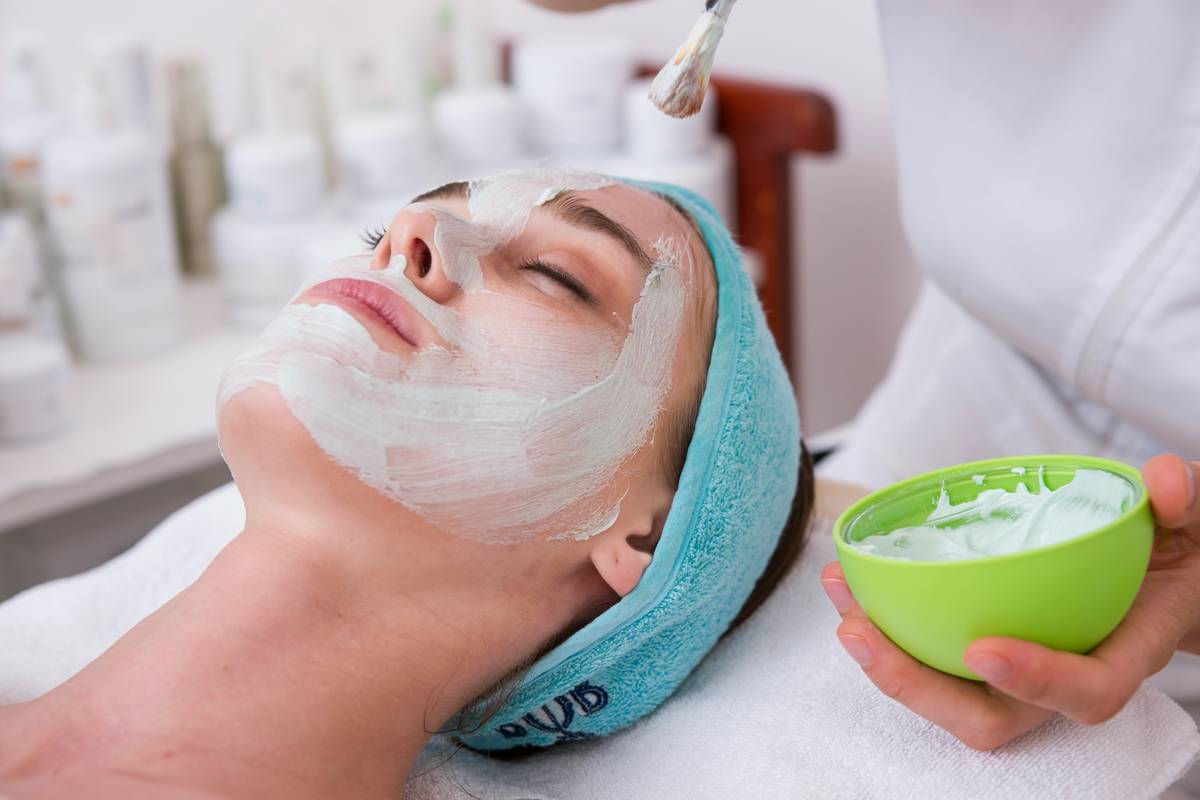
Apply with a reusable bamboo brush or clean fingertips. Rinse off with lukewarm water into a bowl—then pour that nutrient-rich water onto houseplants. Every drop gets reused.
| Ingredient | Skin Benefit | Cost per Use | Waste Generated |
|---|---|---|---|
| Raw honey (local) | Antibacterial, humectant | $0.15 | None (buy in glass jar) |
| Bentonite clay | Detoxifies pores | $0.10 | None (bulk powder) |
| Mashed banana | Vitamin-rich hydration | $0.08 | Compostable peel |
| Store-bought “natural” mask | Variable (often inflated claims) | $2.50+ | Plastic tube + outer box |
The Industry Secret No Brand Will Admit
Most commercial “natural” face masks contain less than 20% active botanicals—the rest is water, thickeners, and shelf-life extenders. The truth? Water evaporates fast on skin. What you’re really buying is overpriced filler.
Here’s the math: A $28 jar lasts maybe six uses. Our DIY version costs under $0.20 per application—and delivers 100% active concentration. Plus, no supply chain emissions from global ingredient sourcing. Think about it: your kitchen counter is the ultimate clean-beauty lab.
And yes—I’ve tested this with clients who switched from luxury skincare. Their skin improved within two weeks. Not because I’m magic. Because simplicity works.
Frequently Asked Questions
Can I make a natural face mask at home for acne-prone skin?
Honey and turmeric work wonders—anti-inflammatory and antimicrobial. Mix 1 tbsp raw honey with a pinch of turmeric. Leave on 10 minutes. Rinse. Repeat twice weekly.
How long does a homemade face mask last?
Refrigerate unused portions—but toss after 48 hours. Better yet: mix only what you need each time. Fresh = potent.
Are natural face masks at home as effective as store brands?
Often more so. Without fillers or stabilizers diluting actives, your skin gets direct access to nutrients. Just avoid overloading with too many ingredients.